Tax accounting in Mexico is changing fast. Many companies still rely on manual processes to manage their CFDIs: downloading files from the SAT portal, uploading them to internal systems and reconciling them in spreadsheets.
This approach isn’t just time-consuming: it also increases the risk of errors that can affect your returns, financial reports and your relationship with the SAT.
1. The problem no one sees coming
When processes are manual, it’s common for the following to occur:
- Duplicate CFDIs
- Omitted invoices
- Canceled CFDIs that go undetected
- Issuance or stamping errors
These errors can distort accounting reports and generate unexpected penalties. They also force the finance team to spend hours fixing problems instead of analyzing data strategically.
2. The root of the tax chaos
The SAT continuously updates rules, formats and validations.
If your system isn’t connected directly:
- Changes can go unnoticed until it’s too late
- Manual reconciliations consume time and cause delays
- Financial decisions are based on incomplete or outdated information
In short: manual accounting is no longer enough.
3. What changes with direct synchronization
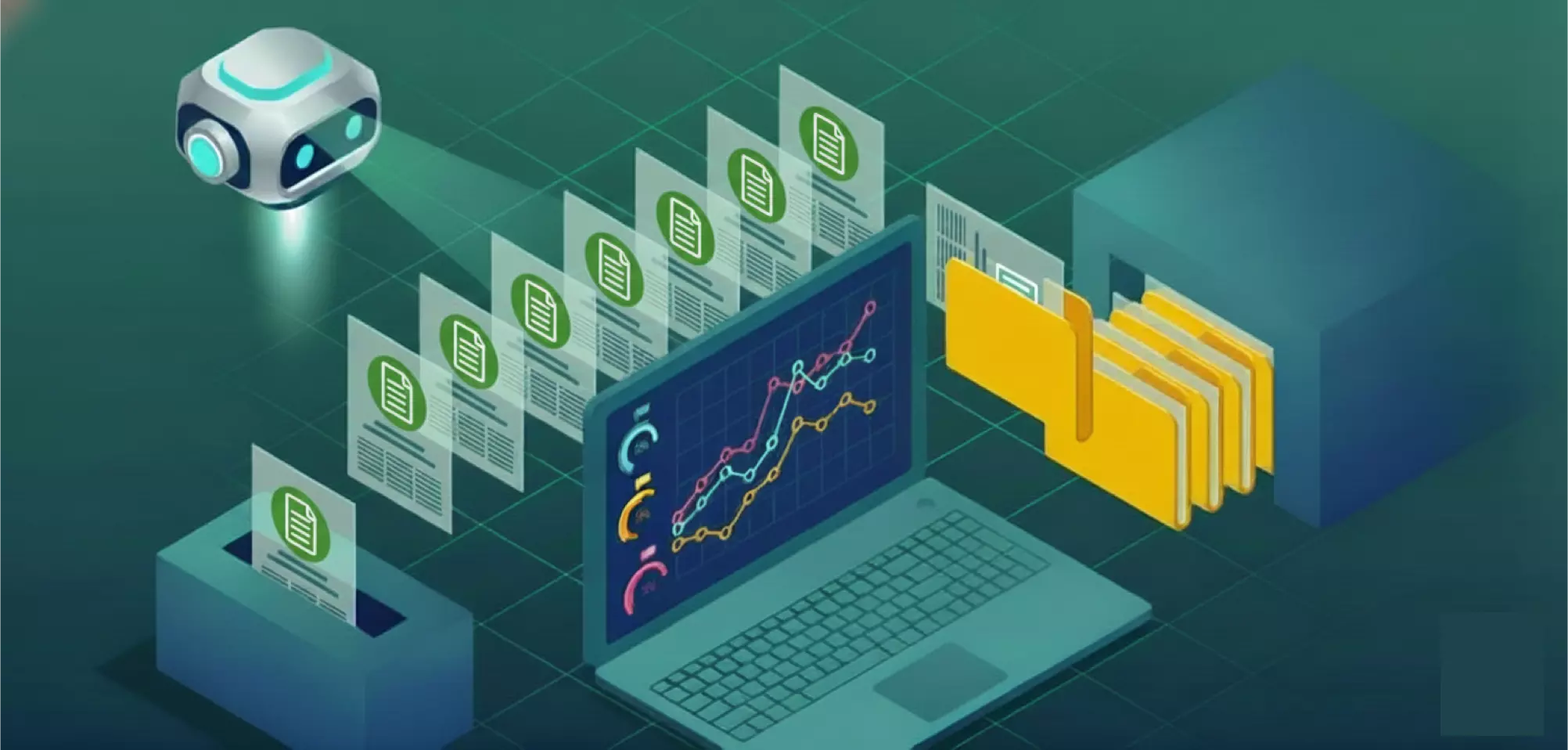
With a system synchronized with the SAT, your company can:
- Retrieve all CFDIs issued and received in real time
- Automatically detect duplicates, cancellations or stamping errors
- Classify documents by supplier, project or expense type
- Receive notifications of pending movements or inconsistencies
That way, control stops being reactive and becomes automatic and reliable.
4. How Tablia transforms this process
Tablia eliminates the friction between your company and the SAT:
- Connects your RFC and synchronizes CFDIs automatically
- Classifies and organizes documents, as well as customer, supplier, product and other accounts.
- Generates accounting reports in seconds, with no manual exports
- Keeps your information always up to date and ready for filing
The result: real-time tax clarity and fewer errors.
5. From compliance to financial control
Synchronization with the SAT is not just a technical feature:
it’s a competitive advantage.
It allows Mexican companies to move from mere “compliance” to having total control over their finances, making fast decisions based on reliable data.
Because when your data is aligned, your decisions are too.
Empower your accounting
Discover how Tablia can keep your CFDIs synchronized, validated and ready to file — without stress, without errors.
Sign up and transform the way your company manages its finances.